
Healthy, glowing skin is often associated with confidence and self-care. Many people explore different skincare solutions to achieve a brighter and more even complexion, especially when dealing with pigmentation, sun damage, or dull skin tone. The growing popularity of skin whitening treatment in dubai reflects the increasing interest in advanced skincare procedures that focus on improving overall skin appearance safely and effectively.
Understanding Skin Whitening Treatments
Skin whitening treatments are designed to reduce excess melanin production in the skin. Melanin is the natural pigment responsible for skin color. When the body produces too much melanin in certain areas, it can lead to dark spots, uneven skin tone, and hyperpigmentation.
These treatments work by targeting the root causes of discoloration while encouraging healthier skin renewal. Instead of drastically changing a person’s natural complexion, most modern treatments aim to create a brighter, smoother, and more balanced appearance.
How Melanin Affects Skin Tone
Melanin production is influenced by several factors, including:
- Sun exposure
- Hormonal changes
- Aging
- Inflammation
- Genetics
- Acne scars and skin injuries
When the skin experiences damage or irritation, melanin production can become uneven. This often results in patches of darker skin that many individuals wish to reduce.
Skin whitening treatments focus on controlling this imbalance to restore a more uniform complexion.
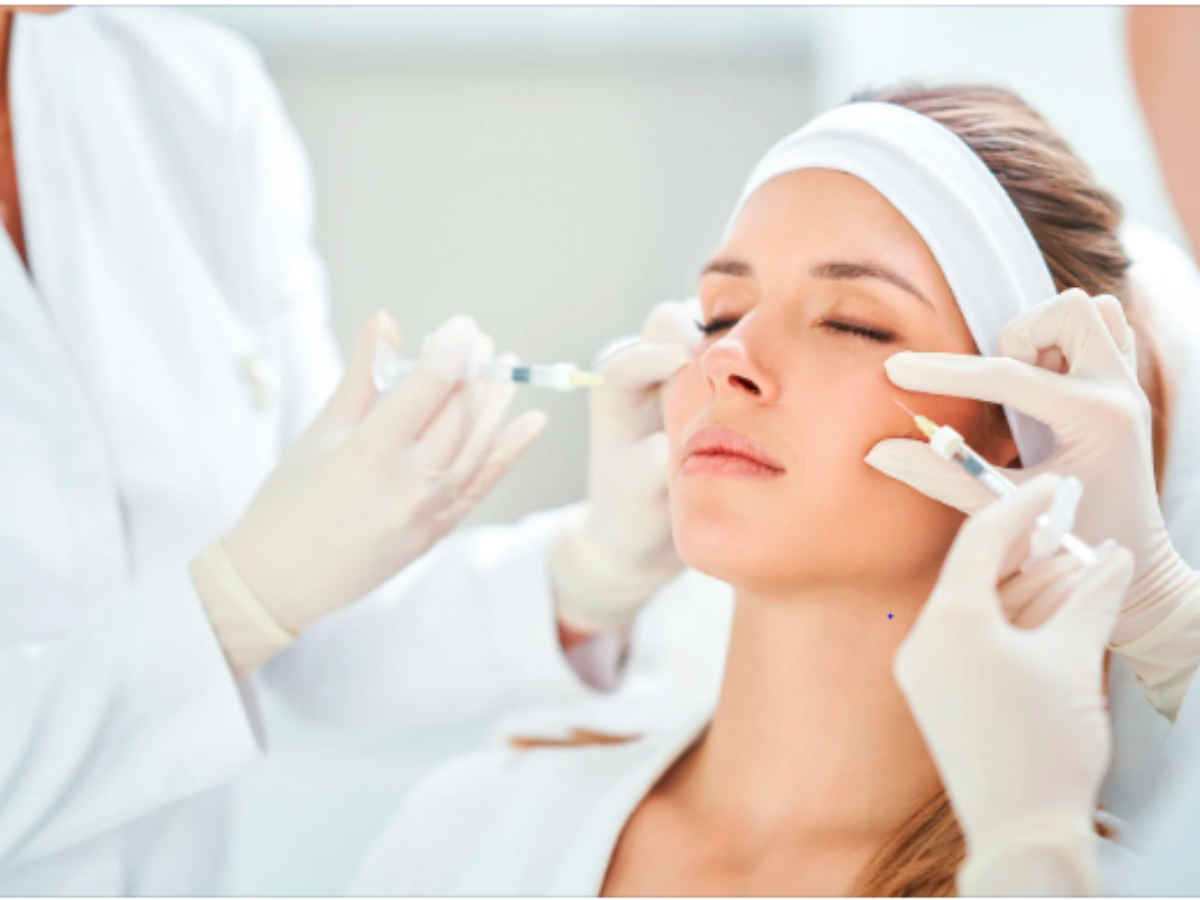
The Science Behind Skin Whitening Treatments
Modern whitening procedures rely on advanced skincare technologies and scientifically tested ingredients. These methods typically work in three key ways:
Reducing Melanin Production
Some treatments slow down the activity of melanocytes, the cells responsible for producing melanin. By limiting excess pigment formation, the skin gradually appears brighter and more even.
Encouraging Skin Cell Renewal
Exfoliation and skin rejuvenation techniques help remove damaged surface cells. As older pigmented cells shed away, fresh and healthier skin becomes visible underneath.
Improving Skin Hydration and Texture
Hydrated skin naturally looks more radiant. Many whitening treatments also improve moisture retention and skin smoothness, enhancing the overall glow of the complexion.
Common Types of Skin Whitening Treatments
Different treatments target various skin concerns. The effectiveness often depends on skin type, pigmentation severity, and consistency of care.
Chemical Peels
Chemical peels remove the outer damaged layer of skin using specialized solutions. These peels help reduce:
- Sunspots
- Acne marks
- Uneven pigmentation
- Dullness
Over time, the skin appears fresher, clearer, and more refined.
Laser Treatments
Laser technology targets concentrated pigment beneath the skin surface. The energy breaks down dark pigmentation while stimulating collagen production.
Laser-based treatments are commonly used for:
- Deep pigmentation
- Melasma
- Sun damage
- Age spots
The skin gradually develops a more even tone after several sessions.
Glutathione-Based Treatments
Glutathione is widely recognized for its antioxidant properties. It works by helping the body reduce oxidative stress while supporting brighter skin appearance.
Many people choose glutathione-focused treatments because they aim to improve skin clarity while enhancing overall skin health.
Microdermabrasion
This treatment exfoliates dead skin cells using specialized equipment. It helps reveal smoother skin while improving texture and radiance.
Microdermabrasion is often preferred for mild pigmentation and rough skin.
Brightening Facials
Professional brightening facials combine cleansing, exfoliation, hydration, and nourishing ingredients to refresh the skin and restore glow.
These treatments are popular for maintaining healthy and luminous skin regularly.
Factors That Influence Treatment Results
Not everyone experiences identical outcomes from whitening procedures. Several important factors determine how effective a treatment can be.
Skin Type
Different skin types respond differently to treatments. Sensitive skin may require gentler procedures, while oily or thicker skin might tolerate stronger options.
Consistency
Most whitening treatments require multiple sessions and proper skincare maintenance. Consistent care often leads to more visible and longer-lasting improvements.
Sun Protection
Sun exposure is one of the main causes of pigmentation. Without proper sun protection, new dark spots may develop even after successful treatment.
Daily sunscreen use plays a major role in maintaining results.
Lifestyle Habits
Healthy habits can significantly improve skin quality. Factors that support better outcomes include:
- Drinking enough water
- Eating nutrient-rich foods
- Getting proper sleep
- Avoiding smoking
- Managing stress
Healthy skin starts from within, and treatments often work better when combined with good overall wellness.
Why Professional Treatments Are More Effective
Over-the-counter products may offer temporary improvements, but professional treatments usually provide deeper and more targeted results.
Professional procedures are customized according to:
- Skin sensitivity
- Pigmentation level
- Skin texture
- Individual skincare goals
Advanced technologies used in professional settings are designed to penetrate deeper layers of skin safely and effectively.
The Importance of Skin Assessment
A proper skin assessment helps identify the exact cause of pigmentation or discoloration. Since different skin concerns require different approaches, personalized treatment plans are often the key to achieving successful results.
For example:
- Melasma may respond better to certain laser techniques
- Acne scars may require exfoliation-based procedures
- Sun damage may improve with resurfacing treatments
Understanding the skin’s condition helps ensure safer and more efficient outcomes.
Natural Skin Brightening vs Professional Treatments
Some individuals try natural remedies such as lemon, turmeric, or homemade masks for brighter skin. While these may offer mild temporary effects, they usually do not penetrate deeply enough to treat stubborn pigmentation.
Professional whitening treatments provide:
- Faster results
- More consistent improvements
- Better precision
- Advanced skin rejuvenation benefits
However, combining professional care with a healthy skincare routine often delivers the best long-term results.
Maintaining Results After Treatment
Achieving brighter skin is only part of the process. Proper maintenance is essential for preserving the results.
Use Sunscreen Daily
UV exposure can quickly reverse improvements by triggering more melanin production. High-quality sunscreen should become part of daily skincare habits.
Follow a Consistent Skincare Routine
Gentle cleansing, moisturizing, and using brightening products can help maintain an even complexion over time.
Stay Hydrated
Well-hydrated skin looks healthier, smoother, and naturally radiant.
Avoid Harsh Products
Overusing strong exfoliants or irritating ingredients may damage the skin barrier and worsen pigmentation.
Final Thoughts
Skin whitening treatments work by addressing excess pigmentation, improving skin renewal, and enhancing overall skin health. Whether through lasers, peels, exfoliation, or advanced brightening methods, these treatments aim to create a more even, refreshed, and radiant complexion.
The effectiveness of any treatment depends on several factors, including skin type, consistency, aftercare, and sun protection. With proper skincare habits and professional guidance, many people can achieve healthier-looking skin and long-lasting brightness naturally and safely.