
Photodamage plays a significant role in the approach to medical skin rejuvenation, impacting both the health and appearance of your skin. For those seeking Skin Rejuvenation in Dubai, understanding how sun exposure and environmental factors contribute to photodamage is essential. Clinics like Dynamic Clinic in Dubai offer treatments specifically designed to address these changes, restoring youthful skin while targeting long-term skin health.
What Is Photodamage?
Photodamage refers to the cumulative effect of ultraviolet (UV) light exposure on the skin over time. It primarily affects the epidermis and dermis, causing:
Fine lines and wrinkles
Uneven pigmentation and dark spots
Loss of elasticity and firmness
Increased sensitivity or dryness
UV radiation accelerates the breakdown of collagen and elastin fibers, the structural proteins responsible for maintaining skin's strength and resilience. This makes photodamage a critical factor when considering medical skin rejuvenation options.
The Role of Photodamage in Skin Aging
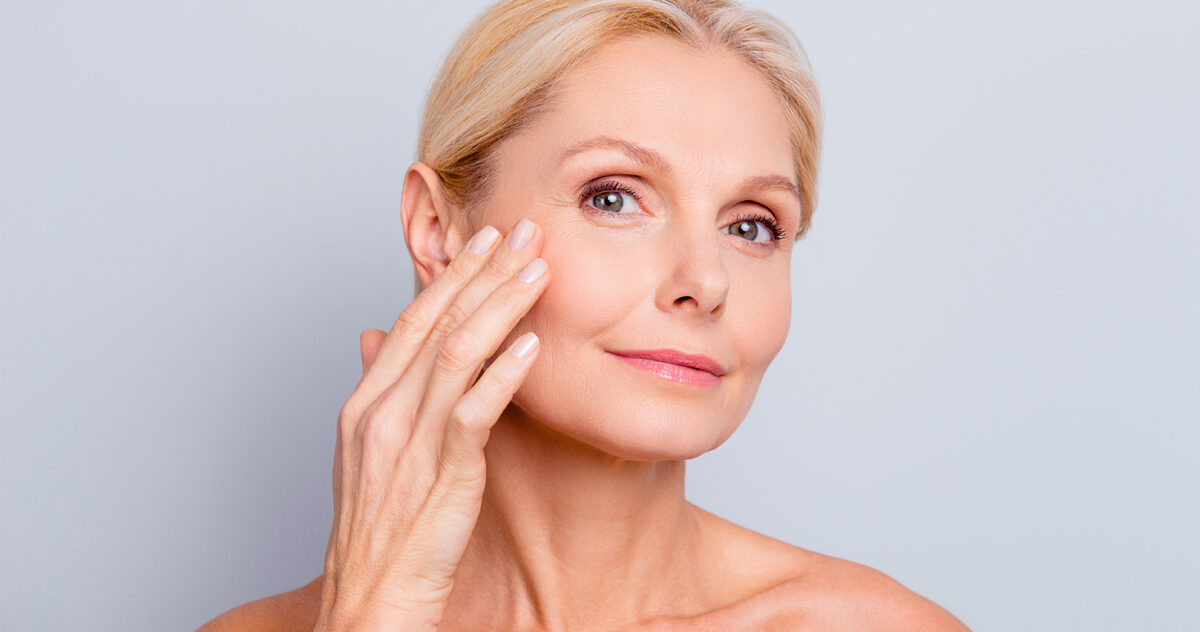
Photodamage is one of the leading contributors to premature skin aging. Unlike chronological aging, which occurs naturally over time, photodamage is preventable and often reversible with appropriate treatments. Signs of photodamage include:
Persistent redness or blotchiness
Age spots or sunspots
Deep lines around the eyes and mouth
Rough skin texture
Understanding these effects allows dermatologists and skincare specialists to create personalized treatment plans that address both aesthetic and structural skin concerns.
Medical Skin Rejuvenation Techniques for Photodamage
Medical skin rejuvenation in Dubai offers a variety of treatments that target photodamage effectively. Some of the most common options include:
Laser Therapy
Stimulates collagen production
Reduces pigmentation irregularities
Improves skin texture and elasticity
Chemical Peels
Exfoliate damaged skin layers
Promote cell turnover
Minimize the appearance of fine lines and discoloration
Microneedling
Creates controlled micro-injuries to trigger natural repair
Enhances absorption of rejuvenating serums
Reduces scarring and hyperpigmentation
Topical Treatments
Antioxidant-rich creams neutralize free radicals
Retinoids encourage skin renewal
Hydrating serums improve barrier function
Combining these treatments in a tailored regimen often produces the most noticeable improvements in both appearance and long-term skin health.
Preventing Further Photodamage
While medical treatments can repair existing damage, prevention is essential for maintaining results. Recommended strategies include:
Daily application of broad-spectrum sunscreen
Wearing protective clothing and hats during peak sun hours
Avoiding tanning beds and prolonged direct sun exposure
Using antioxidant-rich skincare products to combat free radical damage
Regular maintenance treatments in Dubai help minimize the effects of environmental stressors and ensure that photodamage does not return quickly.
Conclusion
Photodamage is a major factor influencing the outcomes of medical skin rejuvenation. Recognizing its impact on skin structure, pigmentation, and elasticity allows for more effective treatment planning. Skin rejuvenation in Dubai combines advanced technologies and preventive strategies to restore vitality, smoothness, and firmness, while reducing the long-term effects of sun exposure. By addressing photodamage, individuals can enjoy healthier, younger-looking skin with sustainable results.