
Hair loss has become one of the most common concerns affecting both men and women today, often influenced by stress, genetics, hormonal changes, and lifestyle factors. Modern regenerative solutions have introduced innovative approaches to addressing thinning hair, with platelet-rich plasma (PRP) gaining significant attention for its natural healing properties. Many individuals exploring the Best PRP Hair Treatment in Dubai are seeking a science-backed, non-surgical method to restore hair density and improve scalp health without relying on invasive procedures.
This article explores how PRP therapy supports hair growth, why it is gaining popularity, and how it works as a natural solution for hair restoration in today’s advanced aesthetic landscape.
Understanding PRP Hair Treatment and How It Works
PRP hair treatment is based on using the body’s own biological components to encourage natural hair regrowth. It focuses on extracting growth-rich elements from the blood and reintroducing them into the scalp to stimulate inactive or weakened hair follicles.
What is PRP?
PRP stands for platelet-rich plasma, a concentrated portion of blood that contains platelets and growth factors responsible for healing and tissue regeneration. These platelets are essential for repairing damaged cells and encouraging new cell growth.
In hair restoration, PRP is used to activate the scalp’s natural repair system, helping to improve follicle function and overall hair quality.
Step-by-Step Mechanism
The process begins with drawing a small amount of blood, which is then processed to separate the platelet-rich plasma. This concentrated plasma is carefully introduced into targeted areas of the scalp where hair thinning is present.
Once applied, the growth factors in PRP work beneath the skin to repair follicles, improve blood supply, and promote stronger hair regrowth over time.
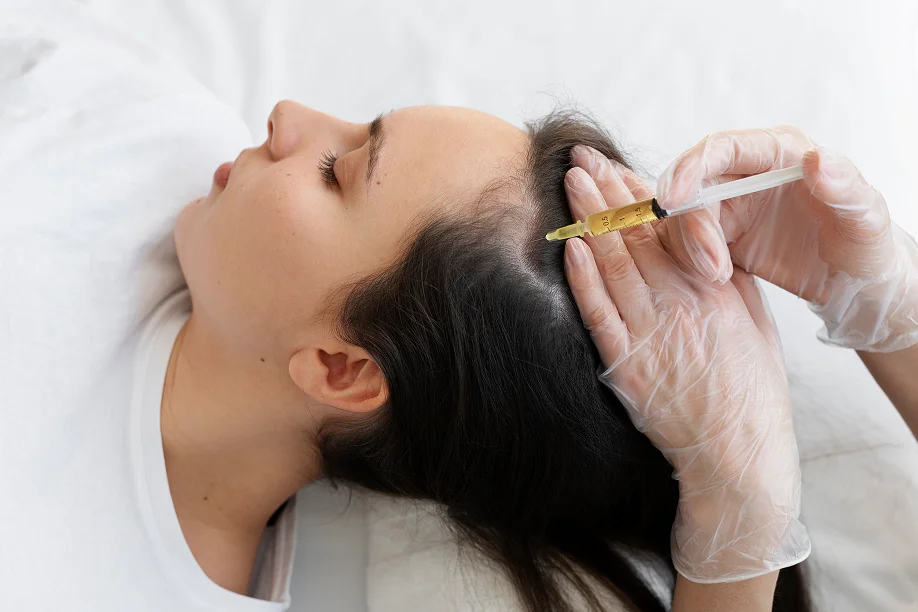
How PRP Supports Hair Growth Naturally Now
PRP therapy is widely recognized for its ability to work with the body’s natural healing mechanisms. Rather than artificially stimulating hair growth, it enhances the scalp’s environment so that healthy hair can regrow more effectively.
Stimulating Dormant Follicles
One of the key roles of PRP is to reactivate hair follicles that have become dormant but are still alive. These follicles may not produce visible hair due to reduced stimulation or weakened blood flow. PRP helps awaken these follicles, encouraging them to re-enter the active growth phase.
Improving Blood Circulation
Healthy hair growth depends heavily on proper blood circulation in the scalp. PRP enhances oxygen and nutrient delivery to hair roots, which supports stronger and more consistent growth. Improved circulation also helps maintain follicle vitality over time.
Strengthening Hair Shafts
In addition to promoting new growth, PRP also improves the quality of existing hair. It helps strengthen the hair shaft, reducing breakage and making hair appear thicker, fuller, and healthier.
Key Benefits of PRP Hair Treatment for Hair Restoration
PRP therapy is widely chosen because it offers multiple advantages for individuals experiencing early to moderate hair thinning.
Non-Surgical Approach
One of the most appealing aspects of PRP is that it does not involve surgery. This makes it a preferred option for individuals looking for a natural, minimally invasive solution to hair loss.
Minimal Downtime
Unlike more intensive procedures, PRP requires little to no recovery time. Most individuals can resume daily activities shortly after treatment, making it highly convenient for busy lifestyles.
Suitable for Early Hair Thinning
PRP is especially effective for individuals in the early stages of hair loss. It helps slow down progression and strengthens existing follicles before significant hair loss occurs.
What Makes PRP Effective for Modern Hair Loss Concerns
Hair loss today is often influenced by multiple internal and external factors, including stress, environmental exposure, and hormonal imbalance. PRP therapy is effective because it addresses these concerns at a biological level.
Role of Growth Factors
The growth factors in PRP play a crucial role in repairing damaged follicles and stimulating new cell production. These proteins help extend the growth phase of the hair cycle, resulting in longer and healthier hair growth.
Natural Regenerative Response
PRP works by activating the body’s own regenerative system. Instead of introducing synthetic chemicals, it enhances natural healing processes, making it a more organic approach to hair restoration.
Long-Term Hair Health Improvement
With consistent application, PRP not only promotes new hair growth but also improves overall scalp health. This creates a stronger foundation for sustained hair density and reduced shedding over time.
Who Can Benefit from PRP Hair Treatment?
PRP therapy is suitable for a wide range of individuals experiencing different types of hair thinning and loss.
Early-Stage Hair Thinning
People noticing the first signs of thinning hair or reduced volume often benefit most from PRP, as it can help slow down further progression.
Stress-Related Hair Loss
Temporary hair shedding caused by stress or lifestyle changes can be improved through PRP by restoring follicle balance and function.
Genetic Hair Loss Support
While PRP does not completely reverse genetic hair loss, it can significantly slow down its progression and improve overall hair thickness and strength.
What to Expect During a PRP Hair Treatment Journey
The PRP journey typically involves multiple sessions spaced over several weeks. Each session builds on the previous one to gradually strengthen hair follicles and improve scalp health.
During the early stages, subtle changes such as reduced shedding may be noticed. Over time, improvements in hair thickness, texture, and density become more visible.
Consistency plays a major role in achieving the best results, as PRP works progressively rather than instantly.
Aftercare and Maintaining Results
After PRP treatment, maintaining scalp health is essential for long-term success. Gentle hair care practices, a balanced diet, and proper hydration can help enhance results.
Avoiding harsh chemical treatments and minimizing heat styling can also support healthier hair growth. Regular follow-up sessions may be recommended to sustain improvements and keep follicles active.
Conclusion
PRP hair therapy has become a leading regenerative approach for individuals seeking a natural and effective solution to hair thinning. By utilizing the body’s own healing components, it strengthens hair follicles, improves scalp health, and encourages sustainable growth. As interest in advanced hair restoration continues to grow, PRP remains a powerful option for those looking to restore confidence through healthier, fuller hair without invasive procedures.