
Dental aesthetics have become an essential aspect of overall confidence and self-esteem. Among the most popular cosmetic dental procedures, Dental Veneers in Dubai offer a transformative solution for those seeking a flawless smile. While veneers are celebrated for their ability to enhance appearance, many people wonder how they impact the natural structure of teeth. Understanding this is crucial for anyone considering this treatment.
What Are Dental Veneers?
Dental veneers are ultra-thin shells, typically made from porcelain or composite resin, that are applied to the front surface of teeth. They are designed to mask imperfections such as:
- Discoloration or staining
- Chipped or worn-down teeth
- Minor misalignment or gaps
- Irregular tooth shapes
The main goal of veneers is cosmetic enhancement, but achieving a natural and long-lasting result requires careful preparation of the teeth.
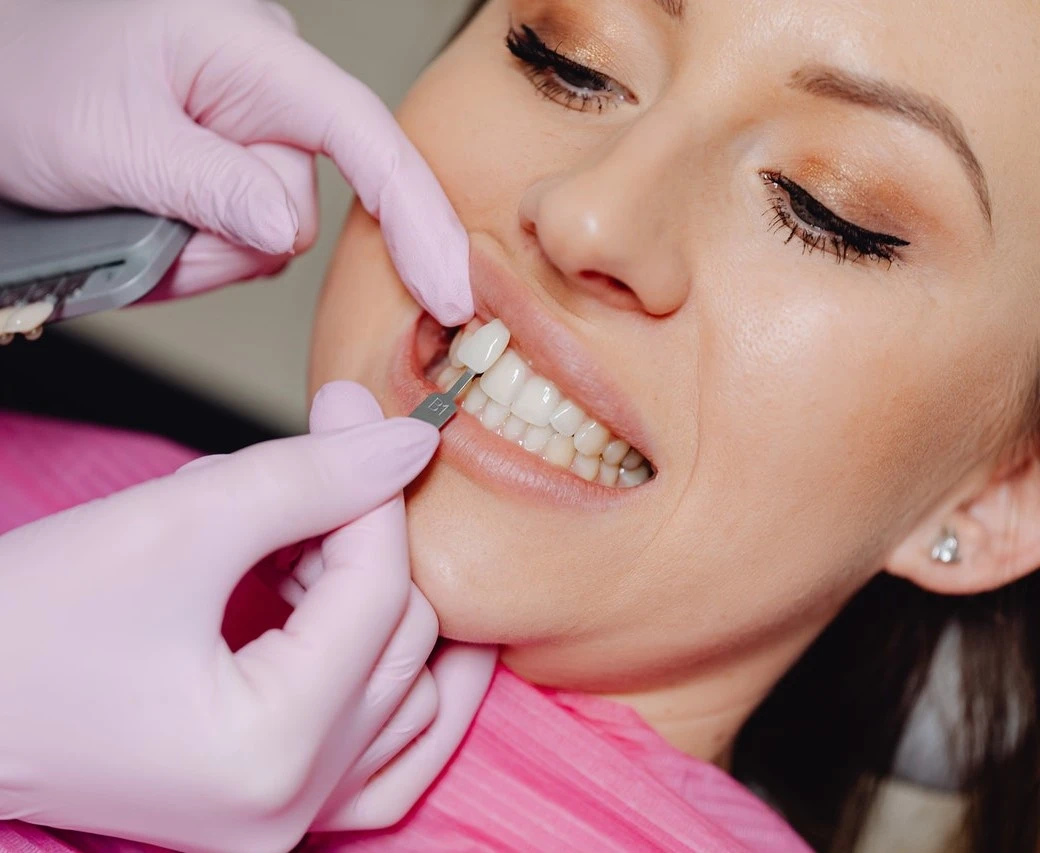
How Veneers Affect Tooth Structure
One of the most common questions about veneers is whether they damage teeth. The process does involve altering the tooth surface, but when done correctly, it is safe and minimally invasive. Here’s how veneers affect tooth structure:
1. Enamel Reduction
Before a veneer can be placed, a small portion of the tooth’s enamel—usually between 0.3 to 0.7 millimeters—is removed. This step is essential for several reasons:
- Proper Fit: Reducing enamel ensures the veneer sits flush with surrounding teeth.
- Adhesion: A slightly reduced surface allows the bonding material to adhere securely.
- Natural Appearance: Proper thickness ensures the veneer looks realistic without appearing bulky.
While enamel removal is permanent, it is carefully measured to preserve as much natural tooth as possible.
2. Preservation of Tooth Integrity
Unlike other dental procedures that may require significant reshaping, veneers are considered a conservative cosmetic solution. Dentists aim to:
- Minimize enamel removal
- Avoid exposure of the underlying dentin unless necessary
- Maintain the natural strength of the tooth
The procedure preserves the core structure of teeth, allowing them to continue functioning normally in biting and chewing.
3. Bonding Process and Protection
Once the enamel is prepared, the veneer is bonded using advanced dental adhesives. This process not only attaches the veneer securely but also provides:
- Strength and durability: Bonding materials reinforce the enamel surface.
- Protection: The veneer acts as an additional layer, protecting teeth from minor chips or wear.
Proper bonding is crucial because it ensures longevity while maintaining tooth health.
4. Irreversibility of Changes
It’s important to note that enamel removal is irreversible. Once a tooth is prepared for a veneer, it will always require coverage—whether by veneers or alternative restorations. This makes planning and consultation vital before proceeding.
Types of Veneers and Their Impact
Different veneer materials and designs can influence how much tooth structure is altered:
- Porcelain Veneers: Known for their durability and natural appearance, porcelain veneers often require slightly more enamel removal but offer superior aesthetics and stain resistance.
- Composite Veneers: These are applied directly to the tooth and may need less enamel reduction. They are versatile but slightly less durable than porcelain.
Choosing the right type depends on your dental needs, aesthetic goals, and the advice of a qualified professional.
Advantages Beyond Aesthetics
While the primary reason for getting veneers is cosmetic improvement, they also contribute to dental health:
- Enhanced Surface Strength: The veneer layer protects teeth from minor damage.
- Resistance to Staining: Porcelain veneers, in particular, help maintain a bright, white smile.
- Improved Alignment Appearance: Even minor crowding or gaps can be visually corrected, boosting confidence.
These benefits make veneers a holistic approach to enhancing both function and appearance.
Preparing for Dental Veneers in Dubai
If you’re considering Dental Veneers in Dubai, it’s essential to understand the procedure and its impact on your teeth:
- Initial Consultation: A dentist evaluates your dental health, discusses your goals, and recommends the best veneer type.
- Tooth Preparation: Minimal enamel is removed for a proper fit.
- Impression and Design: Precise molds are taken to create customized veneers.
- Bonding: The veneers are securely attached, and adjustments are made to ensure comfort and aesthetics.
Following these steps ensures the procedure enhances your smile without compromising dental health.
Maintaining Veneers and Oral Health
Although veneers are durable, proper care ensures they last for many years. Tips include:
- Brushing twice daily with non-abrasive toothpaste
- Flossing regularly to prevent gum issues
- Avoiding excessive pressure from biting hard objects
- Routine dental check-ups to monitor veneer condition
With these habits, veneers continue to protect and beautify teeth without negatively affecting their structure.
Conclusion
Dental veneers are a transformative cosmetic solution that enhances smiles while preserving the core structure of your teeth. By carefully reducing enamel, ensuring strong bonding, and choosing the right material, Dental Veneers in Dubai can deliver a natural, long-lasting appearance. Understanding the impact on tooth structure helps patients make informed decisions and enjoy the confidence that comes with a radiant smile.
Whether you’re seeking minor adjustments or a complete smile makeover, veneers offer a reliable option for improving aesthetics while maintaining dental health.