
A chemical peel is one of the most widely discussed skin rejuvenation techniques in modern skincare because it helps restore smoother, brighter, and more even-looking skin. Many people researching advanced exfoliation methods often come across treatments like chemical peel in dubai, especially when looking for ways to improve skin texture, reduce dullness, and support natural regeneration. This process works by encouraging the skin to shed damaged outer layers and replace them with healthier, fresher cells underneath.
Understanding Chemical Peels and Skin Renewal
Skin is constantly renewing itself through a natural cycle, but this process slows down due to aging, sun exposure, pollution, and lifestyle factors. A chemical peel is designed to support and accelerate this natural regeneration process.
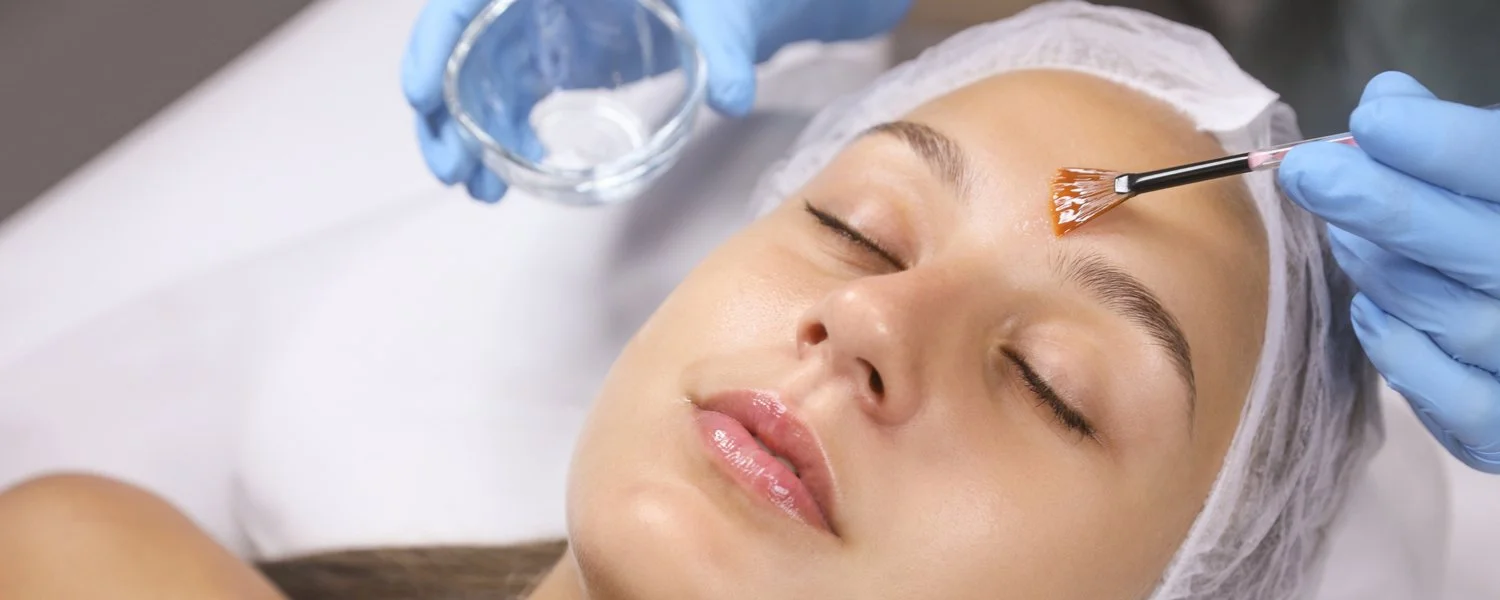
At its core, a chemical peel uses specially formulated solutions to gently exfoliate the outer layers of the skin. Once these layers are removed, the body responds by triggering repair mechanisms that produce new skin cells and stimulate collagen production.
What Happens to Skin During Natural Renewal
The skin naturally goes through a cycle where old cells are shed and replaced by new ones. However, this process can become uneven over time, leading to:
- Dull or tired-looking skin
- Uneven skin tone
- Rough texture
- Visible blemishes or marks
Chemical peeling enhances this natural cycle, making renewal faster and more effective.
How Chemical Peels Accelerate Skin Renewal
Chemical peels work by creating a controlled exfoliation process. Instead of relying on physical scrubbing, they use active ingredients to loosen the bonds between dead skin cells.
Exfoliation and Controlled Skin Injury
One of the key principles behind chemical peels is controlled skin stimulation. The solution applied to the skin gently breaks down the outer layer, signaling the body to begin repair work.
This controlled process leads to:
- Removal of dead skin cells
- Increased cell turnover
- Smoother surface texture
- Enhanced skin clarity
Although it may sound intense, this process is carefully regulated to ensure the skin responds by healing and regenerating in a balanced way.
Cellular Regeneration Process
Once the outer layer begins to shed, the deeper layers of the skin become more active. Fibroblast cells are stimulated, which play a key role in producing collagen and elastin. These proteins are essential for maintaining firmness and elasticity.
As a result, the skin gradually appears fresher, more refined, and rejuvenated over time.
Types of Peeling Depths and Their Effects
Chemical peels are generally categorized based on how deeply they penetrate the skin. Each level supports different skin concerns and renewal speeds.
Superficial Peels
Superficial peels work only on the outermost layer of the skin. They are often used to refresh dull skin and improve minor unevenness.
Effects include:
- Gentle exfoliation
- Brighter complexion
- Mild improvement in texture
Because they are mild, they are often part of regular skincare maintenance routines.
Medium-Depth Peels
Medium-depth peels penetrate deeper into the skin layers. They help address more noticeable concerns such as pigmentation and fine lines.
Effects include:
- Improved skin tone balance
- Reduction in visible marks
- Smoother skin surface
These peels encourage stronger regeneration, making the skin go through a more noticeable renewal phase.
Deep Resurfacing Peels
Deep peels target the deeper layers of skin and are used for more advanced skin concerns. They stimulate significant regeneration and long-term improvements.
Effects include:
- Enhanced collagen remodeling
- Significant texture improvement
- More uniform skin appearance
The recovery period is longer, but the transformation is also more profound.
Benefits of Chemical Peels for Modern Skin Concerns
Chemical peels are widely appreciated because they address multiple skin concerns at once. Modern lifestyles expose skin to environmental stress, making renewal-focused treatments especially relevant.
Common Improvements Include:
- Reduction in uneven skin tone
- Fading of acne marks and blemishes
- Smoother skin texture
- Increased natural radiance
- Minimized appearance of fine lines
By supporting the skin’s renewal process, chemical peels help restore a healthier and more balanced appearance over time.
What to Expect During the Skin Renewal Journey
The skin’s response to a chemical peel follows a predictable cycle. Understanding this helps set realistic expectations for visible changes.
First Phase: Peeling Stage
Shortly after application, the skin may begin to feel tight or look slightly dull. This is the beginning of the exfoliation process, where old skin layers prepare to shed.
During this stage:
- Dead skin starts to loosen
- Mild flaking may occur
- Skin appears temporarily sensitive
Healing and Regeneration Stage
After the peeling phase, the skin begins repairing itself. New cells rise to the surface, and collagen activity increases.
In this phase:
- Skin feels smoother
- Fresh layers become visible
- Tone starts to even out
Final Reveal Stage
Once the process completes, the skin appears noticeably renewed. This stage reflects the full benefit of enhanced cellular turnover.
Results often include:
- Brighter complexion
- Refined texture
- More even tone
Aftercare and Maintaining Results
Proper care after a chemical peel is essential to maintain results and support long-term skin health. Since the skin is more sensitive during regeneration, gentle care helps optimize outcomes.
Key Aftercare Practices Include:
- Keeping the skin well-hydrated
- Avoiding harsh exfoliation
- Protecting skin from direct sun exposure
- Using mild, non-irritating skincare products
Consistency in aftercare helps extend the benefits of the treatment and keeps the skin in a healthy renewal cycle.
Why Chemical Peels Remain Popular in Modern Skincare
Chemical peels continue to be a preferred choice because they offer visible results without complex procedures. Their adaptability makes them suitable for a wide range of skin types and concerns.
Key Reasons for Their Popularity:
- Customizable intensity levels
- Support for natural skin regeneration
- Ability to address multiple concerns at once
- Noticeable improvement in skin texture and brightness
As skincare evolves, chemical peels remain a foundational method for encouraging healthier skin renewal from within.
Final Thoughts
Chemical peeling is more than just an exfoliation technique—it is a scientifically guided way of enhancing the skin’s natural ability to renew itself. By accelerating cell turnover and stimulating collagen activity, it helps reveal fresher, smoother, and more radiant skin over time.