
A receding hairline can be frustrating, especially when it begins to affect confidence and overall appearance. Among the many non-surgical solutions available today, platelet-rich plasma (PRP) therapy has gained significant attention. Many people searching for effective solutions, including those exploring prp hair treatment dubai, often ask the same question: Does PRP actually work for a receding hairline? The answer isn’t a simple yes or no—it depends on several factors, including the stage of hair loss, consistency of treatment, and individual response.
What Is PRP Hair Treatment?
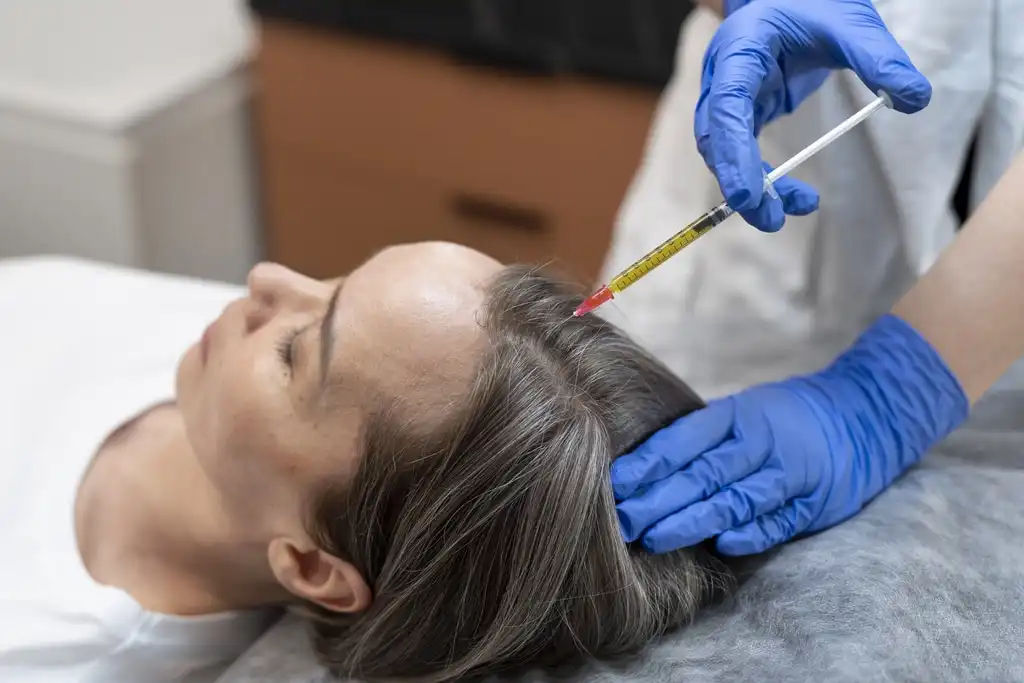
PRP hair treatment is a regenerative therapy that uses your body’s own healing properties to stimulate hair growth. The process involves drawing a small amount of blood, processing it to concentrate the platelets, and injecting the enriched plasma into the scalp.
How PRP Works
Platelets are rich in growth factors that help repair tissues and stimulate dormant hair follicles. When injected into areas affected by thinning or recession, PRP aims to:
- Improve blood supply to hair follicles
- Increase hair shaft thickness
- Extend the growth phase of the hair cycle
- Reactivate inactive follicles
This natural approach is what makes PRP appealing to people seeking a non-invasive option.
Why Does Hairline Recession Happen?
Before understanding how effective PRP is, it’s important to know why hairlines recede in the first place.
Common Causes of Receding Hairline
- Genetics: The most common cause, especially in male pattern baldness
- Hormonal changes: DHT (dihydrotestosterone) plays a major role
- Stress and lifestyle factors: Poor diet, lack of sleep, or chronic stress
- Aging: Natural thinning occurs over time
PRP works best when hair follicles are still alive but weakened—not completely dead.
Does PRP Really Work for Receding Hairline?
The short answer: Yes, PRP can work—but with realistic expectations.
What Results Can You Expect?
PRP is most effective in the early to moderate stages of hairline recession. Users often notice:
- Reduced hair shedding
- Improved hair density
- Thickening of existing hair
- Slower progression of hair loss
However, PRP is not a miracle cure. It does not typically regrow hair in areas where follicles are completely inactive.
Timeline: When Will You See Results?
Patience is key with PRP therapy.
Typical Progress Timeline
- First month: Minimal visible change
- 2–3 months: Reduced hair fall
- 3–6 months: Noticeable improvement in thickness and density
- 6+ months: Optimal results with continued sessions
Consistency plays a major role in achieving and maintaining results.
Who Is a Good Candidate for PRP?
PRP is not a one-size-fits-all solution. It works best for specific individuals.
Ideal Candidates
- People with early-stage hairline recession
- Individuals experiencing thinning rather than complete baldness
- Those looking for a natural, non-surgical treatment
- Individuals committed to multiple sessions
Who May Not Benefit Much?
- People with advanced baldness
- Individuals with certain medical conditions affecting blood or healing
- Those expecting instant or dramatic results
Benefits of PRP Hair Treatment
PRP offers several advantages that make it a popular option.
Key Benefits
- Non-surgical and minimally invasive
- Uses your own blood, reducing risk of allergic reactions
- Quick procedure with minimal downtime
- Can be combined with other treatments for better results
These benefits make PRP an attractive choice for individuals seeking gradual, natural improvement.
Limitations of PRP for Hairline Restoration
While promising, PRP has its limitations.
What PRP Cannot Do
- It cannot create new hair follicles
- It won’t fully restore a severely receded hairline
- Results vary from person to person
- Requires maintenance sessions
Understanding these limitations helps set realistic expectations.
How Many Sessions Are Needed?
PRP is not a one-time treatment.
Typical Treatment Plan
- Initial phase: 3–4 sessions spaced 4–6 weeks apart
- Maintenance phase: Sessions every 4–6 months
Skipping sessions can reduce effectiveness, so consistency is essential.
Tips to Maximize PRP Results
To get the most out of PRP therapy, lifestyle and aftercare matter.
Helpful Tips
- Maintain a balanced diet rich in vitamins and proteins
- Manage stress levels
- Follow post-treatment care instructions
- Stay consistent with sessions
- Avoid harsh hair treatments
Combining PRP with healthy habits can significantly improve outcomes.
PRP vs Other Hair Loss Treatments
It’s useful to compare PRP with other common solutions.
PRP vs Medications
- PRP is natural and drug-free
- Medications may offer faster results but can have side effects
PRP vs Hair Transplant
- PRP is non-surgical
- Hair transplant provides more permanent results for advanced hair loss
PRP often works well as a complementary treatment rather than a replacement.
Final Verdict: Is PRP Worth It for Receding Hairline?
PRP hair treatment can be an effective option for individuals experiencing early-stage hairline recession. It works by strengthening existing hair and slowing down further loss rather than completely reversing baldness.
If you’re looking for a natural, minimally invasive way to improve hair density and maintain your hairline, PRP is definitely worth considering. However, success depends on realistic expectations, commitment to sessions, and starting treatment at the right time.
Conclusion
So, does PRP hair treatment work for a receding hairline? The answer is yes—for the right candidate and at the right stage. It’s not a quick fix or a miracle cure, but it offers a scientifically backed, natural approach to improving hair health.
If you’re noticing early signs of hairline recession, acting sooner rather than later can make a significant difference. PRP may not turn back time completely, but it can certainly help you hold on to what you have—and even improve it.