
Snoring can disrupt sleep quality and impact overall health. Many residents in Dubai are exploring non-invasive solutions, and Laser Snoring Treatment in Dubai has emerged as a popular option. At Dynamic Clinic in Dubai, this procedure is increasingly recognized for its precision and minimal downtime. Understanding whether laser snoring treatment actually modifies the pharyngeal anatomy is essential for anyone considering this solution.
How Laser Snoring Treatment Works
Laser snoring treatment primarily targets soft tissues in the throat that contribute to vibration and airway obstruction. The procedure uses controlled laser energy to:
Tighten soft tissues: Laser energy stimulates collagen production, making tissues firmer and less prone to vibration.
Reduce tissue volume: Small sections of excess tissue, particularly in the soft palate, may be reduced to open the airway.
Enhance airflow: By stiffening or slightly reducing tissue, airflow becomes smoother, which can significantly reduce snoring intensity.
The precision of the laser allows for minimal impact on surrounding tissues, making it a safe and focused treatment option.
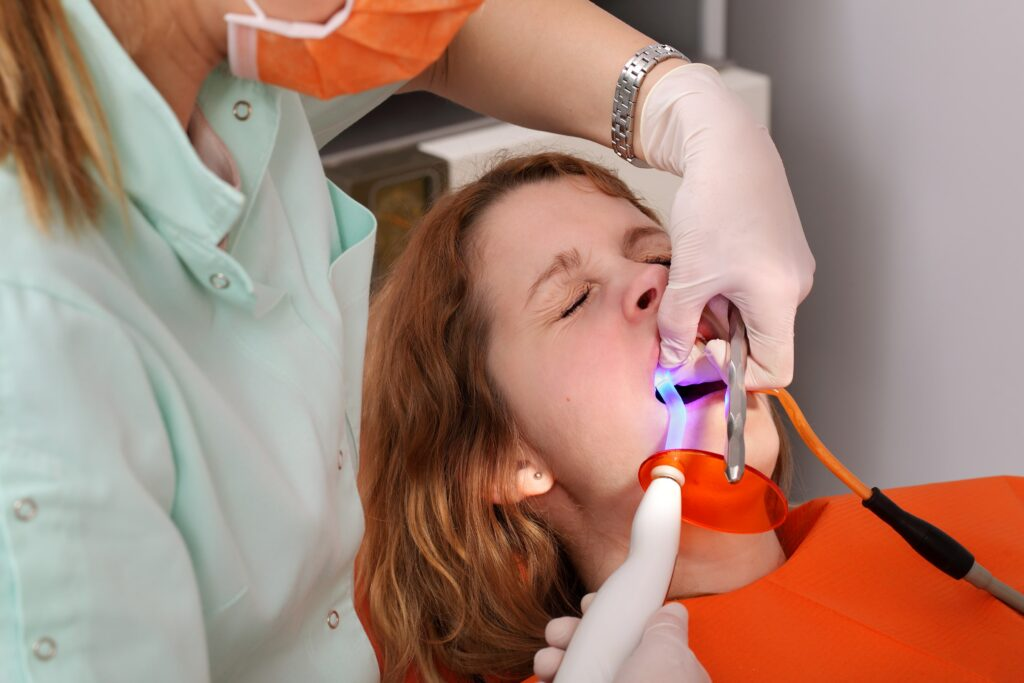
Impact on Pharyngeal Anatomy
One of the common questions patients have is whether laser snoring treatment changes the pharyngeal anatomy. The procedure does not drastically alter the structure of the throat but rather modifies the soft tissue characteristics. Key effects include:
Stiffening of the soft palate: This reduces the vibration that causes snoring.
Minor volume reduction: Only superficial tissue layers are affected, preserving natural anatomy.
Improved tissue elasticity: Collagen remodeling enhances tissue resilience without structural deformity.
These subtle modifications help maintain normal throat function while addressing snoring.
Who Is an Ideal Candidate?
Laser snoring treatment is most effective for individuals with snoring caused by soft palate vibrations rather than severe airway obstruction. Ideal candidates often exhibit:
Mild to moderate snoring without sleep apnea
Soft palate laxity or excess tissue at the back of the throat
Desire for a non-invasive, quick-recovery solution
A thorough evaluation ensures that treatment targets the right areas for maximum effectiveness.
Benefits Beyond Anatomy Modification
While the procedure focuses on tissue modification rather than structural overhaul, patients enjoy additional advantages:
Minimally invasive: No incisions or sutures are required.
Quick recovery: Most patients resume normal activities within a day.
Reduced snoring intensity: Many report a significant decrease in nighttime noise, improving sleep for themselves and partners.
The procedure can also complement lifestyle changes and other interventions for snoring management.
Considerations and Precautions
Although laser snoring treatment is safe, certain factors should be considered:
Multiple sessions may be required for optimal results.
Patients with severe obstructive sleep apnea may need alternative treatments.
Maintaining healthy habits like weight management and avoiding alcohol before bedtime can enhance outcomes.
Proper consultation ensures expectations align with achievable results.
Conclusion
Laser snoring treatment modifies pharyngeal tissues in a controlled manner to reduce snoring without drastically altering anatomy. By stiffening soft tissues, slightly reducing excess volume, and enhancing elasticity, this approach offers a safe, minimally invasive solution for snorers in Dubai. With treatments like Laser Snoring Treatment in Dubai at clinics such as Dynamic Clinic, individuals can experience quieter nights and improved overall sleep quality while maintaining natural throat structure.