
When it comes to non-surgical facial enhancement, many people find themselves comparing cheek fillers and Botox. Both treatments are widely used to improve facial appearance, reduce signs of aging, and create a more refreshed look. However, they work in completely different ways and are designed to address different concerns. For individuals exploring aesthetic treatments such as Cheek Fillers Injections in Dubai, understanding the distinction between these two options is essential for making informed decisions about facial rejuvenation.
Understanding Cheek Fillers
Cheek fillers are injectable substances designed to restore lost volume, enhance facial contours, and create a more youthful appearance. As people age, the natural fat pads in the face gradually diminish, leading to flatter cheeks and a less defined facial structure.
By adding volume beneath the skin, cheek fillers can:
- Enhance cheekbone definition
- Restore facial balance
- Improve facial symmetry
- Reduce the appearance of sagging skin
- Create a youthful and lifted look
The results are often visible immediately after treatment, making cheek fillers a popular choice for individuals seeking noticeable facial enhancement without surgery.
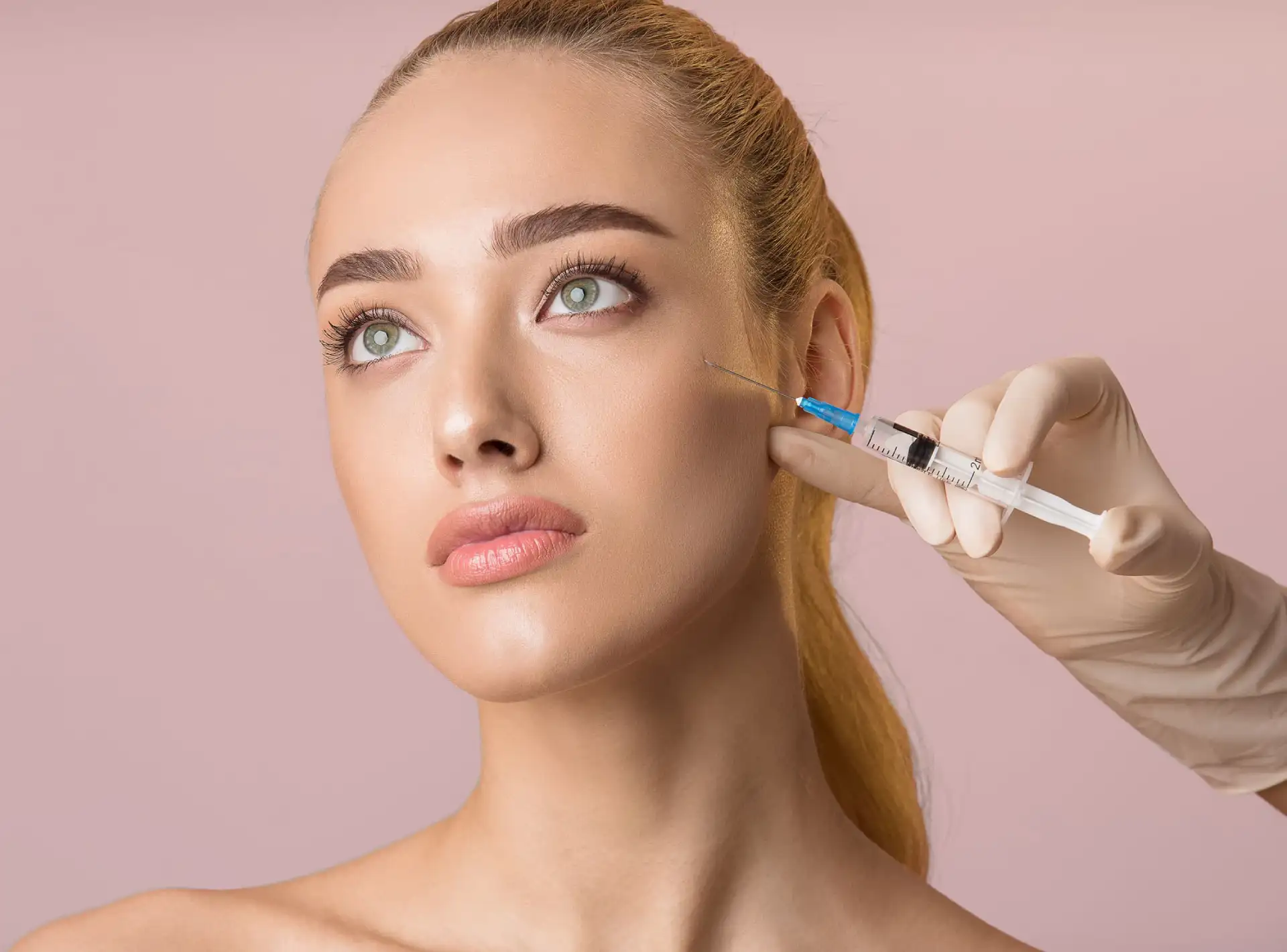
How Cheek Fillers Work
Cheek fillers are strategically injected into specific areas of the cheeks to add volume and structure. The treatment focuses on restoring support beneath the skin, which can indirectly improve the appearance of nearby areas such as the mid-face and jawline.
Because fillers physically add volume, they are particularly effective for addressing age-related volume loss and naturally flat cheeks.
What Is Botox?
Botox is a neuromodulator that works differently from fillers. Instead of adding volume, it temporarily relaxes targeted facial muscles. This reduces the movement responsible for creating dynamic wrinkles and expression lines.
Botox is commonly used to treat:
- Forehead lines
- Frown lines between the eyebrows
- Crow’s feet around the eyes
- Chin dimpling
- Neck bands
The primary goal of Botox is to smooth wrinkles caused by repetitive muscle movement rather than restore facial volume.
How Botox Works
When injected into specific muscles, Botox blocks the nerve signals that trigger muscle contractions. As the muscles relax, the skin above them appears smoother and less wrinkled.
Results typically develop gradually over several days, with the full effects becoming visible within a couple of weeks.
Cheek Fillers vs Botox: The Main Difference
The most significant difference between cheek fillers and Botox is their purpose.
Cheek Fillers Add Volume
Cheek fillers are ideal for:
- Hollow cheeks
- Volume loss
- Facial contouring
- Enhancing cheekbones
- Creating facial definition
They physically fill and lift areas that have lost structure over time.
Botox Relaxes Muscles
Botox is designed for:
- Expression lines
- Dynamic wrinkles
- Muscle-related facial concerns
- Preventing wrinkle formation
Rather than adding fullness, Botox softens facial movements that contribute to wrinkles.
Which Treatment Provides a Lifted Appearance?
Many people seek aesthetic treatments because they want a more lifted and youthful look.
Cheek Fillers for Facial Lifting
Cheek fillers can create a subtle lifting effect by restoring support to the mid-face. When volume is added to the cheeks, surrounding tissues may appear elevated, resulting in a refreshed facial profile.
This makes fillers particularly beneficial for individuals experiencing:
- Mid-face volume loss
- Mild facial sagging
- Flattened cheeks
- Reduced facial definition
Botox for Smoother Skin
Botox can improve facial appearance by reducing wrinkles and creating a smoother complexion. While it may provide a refreshed look, it does not add volume or significantly lift the cheeks.
For lifting and contouring, cheek fillers are generally the more suitable option.
Treatment Areas Compared
Areas Commonly Treated with Cheek Fillers
Cheek fillers are typically used in:
- The upper cheeks
- The mid-face
- Cheekbone region
- Areas with volume loss
These injections focus on enhancing facial structure and proportions.
Areas Commonly Treated with Botox
Botox is most often used in:
- Forehead
- Between the eyebrows
- Around the eyes
- Chin
- Neck
The treatment targets muscles rather than areas needing volume.
Results: What Can You Expect?
Results from Cheek Fillers
Individuals who choose cheek fillers often notice:
- Fuller cheeks
- Better facial balance
- Enhanced cheekbones
- More youthful facial contours
- Improved overall facial harmony
Because volume is added immediately, many people see visible changes right away.
Results from Botox
Botox users typically experience:
- Softer facial lines
- Reduced wrinkle appearance
- Smoother skin texture
- A more relaxed facial expression
The improvements develop gradually as the treated muscles relax.
Which Treatment Looks More Natural?
A common concern is whether the results will appear natural.
Natural-Looking Cheek Fillers
When properly placed, cheek fillers can create subtle enhancements that maintain the individual's natural facial features. The goal is usually to restore lost volume rather than dramatically alter appearance.
Natural-Looking Botox
Botox can also deliver natural-looking results by softening wrinkles while preserving normal facial expressions. The objective is to reduce excessive muscle movement without creating a frozen appearance.
Both treatments can achieve natural outcomes when tailored to individual facial anatomy and goals.
Can Cheek Fillers and Botox Be Combined?
Yes, many individuals choose to combine both treatments for comprehensive facial rejuvenation.
Why Combination Treatments Are Popular
Since fillers and Botox address different concerns, they often complement each other.
For example:
- Cheek fillers restore volume and contour.
- Botox smooths wrinkles and expression lines.
Together, they can create a balanced rejuvenation strategy that addresses multiple signs of aging simultaneously.
Benefits of Combining Treatments
Combining treatments may help:
- Improve facial harmony
- Address both volume loss and wrinkles
- Enhance overall facial appearance
- Create a refreshed yet natural look
This approach allows different aspects of facial aging to be treated at the same time.
How to Choose Between Cheek Fillers and Botox
The best choice depends on your primary concern.
Choose Cheek Fillers If You Want:
- Fuller cheeks
- Better cheekbone definition
- Facial contouring
- Volume restoration
- A lifted mid-face appearance
Choose Botox If You Want:
- Fewer forehead lines
- Reduced crow’s feet
- Smoother expression lines
- Prevention of wrinkle formation
- Relaxed facial muscles
Understanding your aesthetic goals is the key to selecting the most suitable treatment.
Final Thoughts
Cheek fillers and Botox are two of the most popular non-surgical cosmetic treatments available today, but they serve very different purposes. Cheek fillers focus on restoring volume, enhancing contours, and improving facial structure, while Botox targets muscle activity to smooth wrinkles and expression lines.
If your goal is fuller, more defined cheeks and improved facial contours, cheek fillers may be the ideal solution. If your primary concern is reducing wrinkles caused by facial expressions, Botox may be the better option. In many cases, combining both treatments can provide a balanced and comprehensive approach to facial rejuvenation, helping individuals achieve a naturally refreshed and youthful appearance.